WHAT IS REWILDING?

Today the world marks World Rewilding Day which by no mistake also happens to be the Spring equinox, when the balance between dark and light tips in favour of light. At Belmont, it’s a day that feels personal to us. Here’s what rewilding actually means, why it matters, and what’s already happening.

The word ‘rewilding’ gets used a lot these days. You’ll find it on wildlife documentaries, in government policy documents, and increasingly in the news. But what does it actually mean and why should we care?

Actually, we should care quite a lot. Rewilding isn’t a niche ecological concept, it’s a response to a very real crisis and, more importantly, a genuinely hopeful one.

FIRST, THE PROBLEM

The natural world in Britain is in a worse state than most people realise. The UK is one of the most nature-depleted countries in the world, we’ve lost around 50% of our biodiversity since the industrial revolution, and the pace of loss has accelerated in recent decades. Intensive agriculture, urban expansion, drainage of wetlands, and the simplification of landscapes have all taken their toll.

Globally, the picture is no better. Over 80% of land in Europe is considered degraded. We’ve lost 90% of our wetland habitats in the UK alone over the past century. These aren’t abstract statistics,  they affect the air we breathe, the water we drink, our flood risk, our food security, and our mental health.

Traditional conservation has done some really vital work, but protecting what’s left isn’t enough, we need to restore and regenerate what’s been lost.
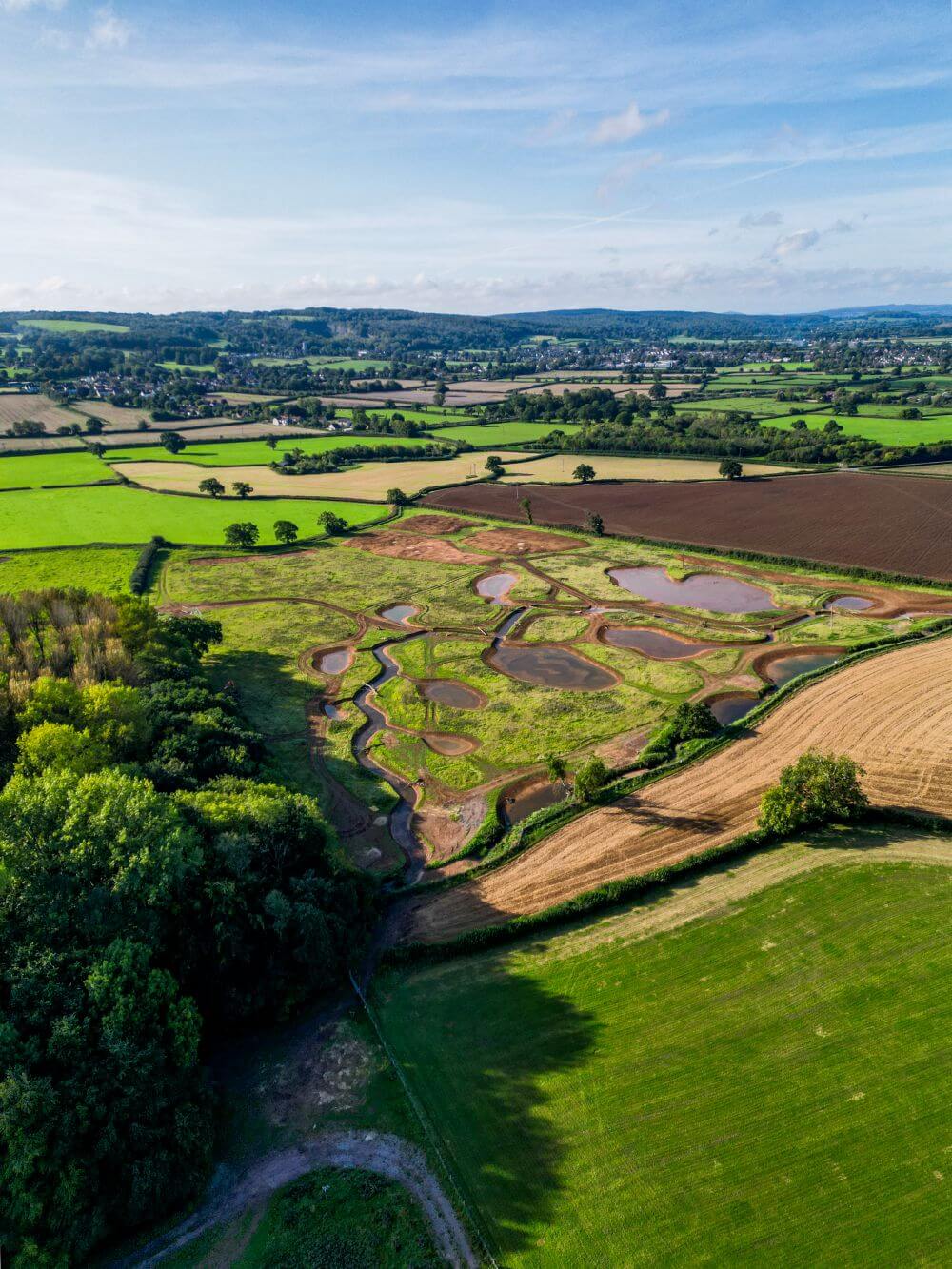
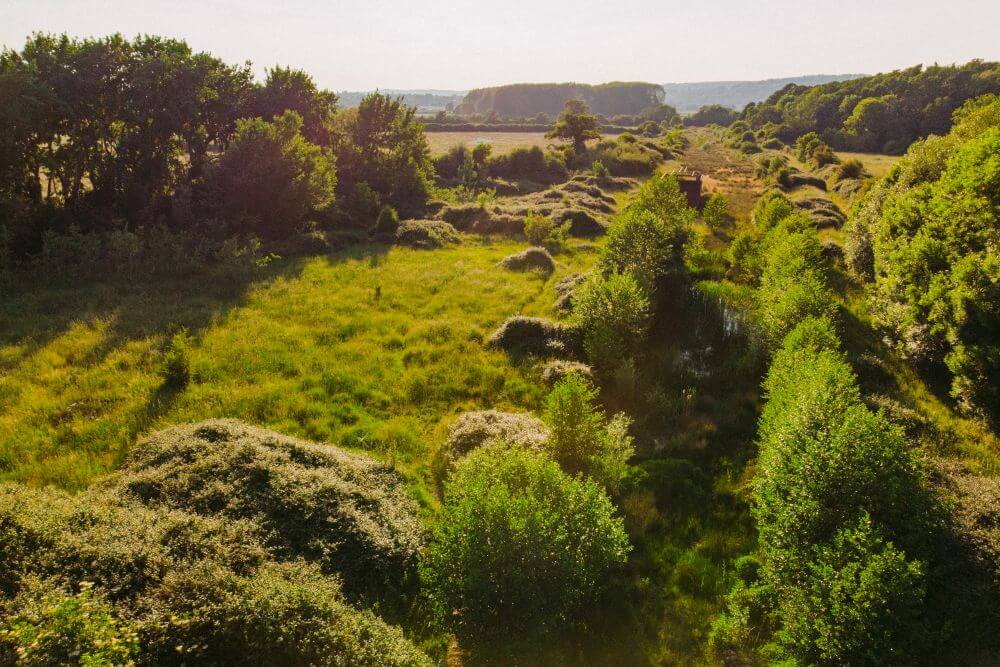
Belmont Estate rewetting project, part of the wider rewilding project

SO WHAT EXACTLY IS REWILDING?

At its centre, rewilding is about restoring natural processes and then stepping back and letting nature lead.

Rewilding Britain defines it as the large-scale restoration of ecosystems to the point where nature can take care of itself. It’s not about returning the landscape to some fixed historical ideal. There’s no defined end point, no specific target species, no human-engineered ‘optimal state’. Instead, it’s about removing the barriers that have prevented nature from functioning, fences, drainage, monocultures, and reintroducing the processes and, where appropriate, the species that once drove healthy ecosystems.

That might mean allowing rivers to flood their natural floodplains. Reintroducing large herbivores to graze and disturb the soil. Letting trees regenerate naturally rather than planting in rows. Or simply stopping mowing and letting wildflowers reclaim a field.

The key distinction from conventional conservation is that rewilding is less about management and more about release. It’s inviting nature’s own intelligence back, and the evidence suggests that’s the best thing we can do.

Paul, Estate Team

WHAT DOES IT LOOK LIKE IN PRACTICE?

This is where it gets exciting because you don’t have to look very far for proof that it works.

A few miles outside Bristol, at Watercress Farm on Belmont Estate in North Somerset, something remarkable has been quietly unfolding. Eight years ago, this land was a drained, intensively arable land which was largely silent, its soils compacted, its waterways constrained. Today, it’s a thriving mosaic of habitats: wet meadows, emerging woodland, a rewiggled river and wetland habitats buzzing with life.

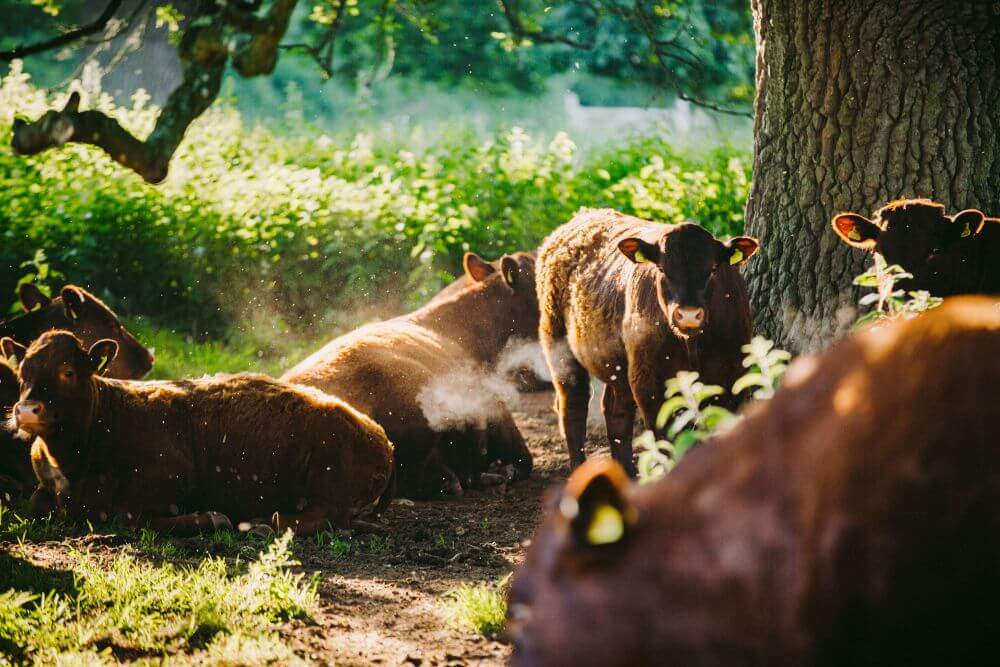
The team at Belmont Estate, who own and manage the site, removed internal fences, and introduced free-roaming Red Devon cattle, Dartmoor ponies and Tamworth pigs. They’ve been chosen specifically because they closely resemble ancient breeds that shaped Britain’s wild landscapes for millennia and more recently some Iron-age pigs have been introduced to turn over the land in what feels like record speed.

The results have been striking, more than 2,603 (and counting!) species have been recorded on the site. Bird species have grown from 22 to 106. There are now 567 species of moth, 466 beetles, and a growing catalogue of wildflowers, amphibians and invertebrates all returning naturally, without being planted or introduced.

The river, too, has been restored ‘re-wiggled’ into a more natural, sinuous course, with new wetlands created in the form of ponds running off the now meandering river to slow water flow, trap nutrients and provide habitat for species like water vole and bittern. In a county that has experienced devastating flooding in recent years, this isn’t just good for wildlife, it’s good infrastructure.

IT’S NOT JUST ABOUT WILDLIFE

One of the most important things to understand about rewilding is that it isn’t only an ecological project it’s a human one too.

Healthy, biodiverse landscapes store carbon more efficiently helping tackle climate change. They clean water and reduce flood risk saving money and protecting communities. They support pollinators that our food system depends on. Not only that, growing evidence shows that spending time in nature has profound benefits for mental and physical health.

At Belmont, over 15,000 people have visited Watercress Farm as part of the free nature connection programme including thousands of school children who may be encountering wild green space for the first time. This really matters, because the closer people are to nature, the more they want to protect it.

Rewilding also creates new economic opportunities. Rewilding Britain reported an average increase in jobs of 124% across 65 rewilding sites in England and Wales. Nature-based tourism, carbon markets, biodiversity net gain credits, there’s a growing and legitimate business case for land that works with nature rather than against it and this is what Belmont Estate is really proving.

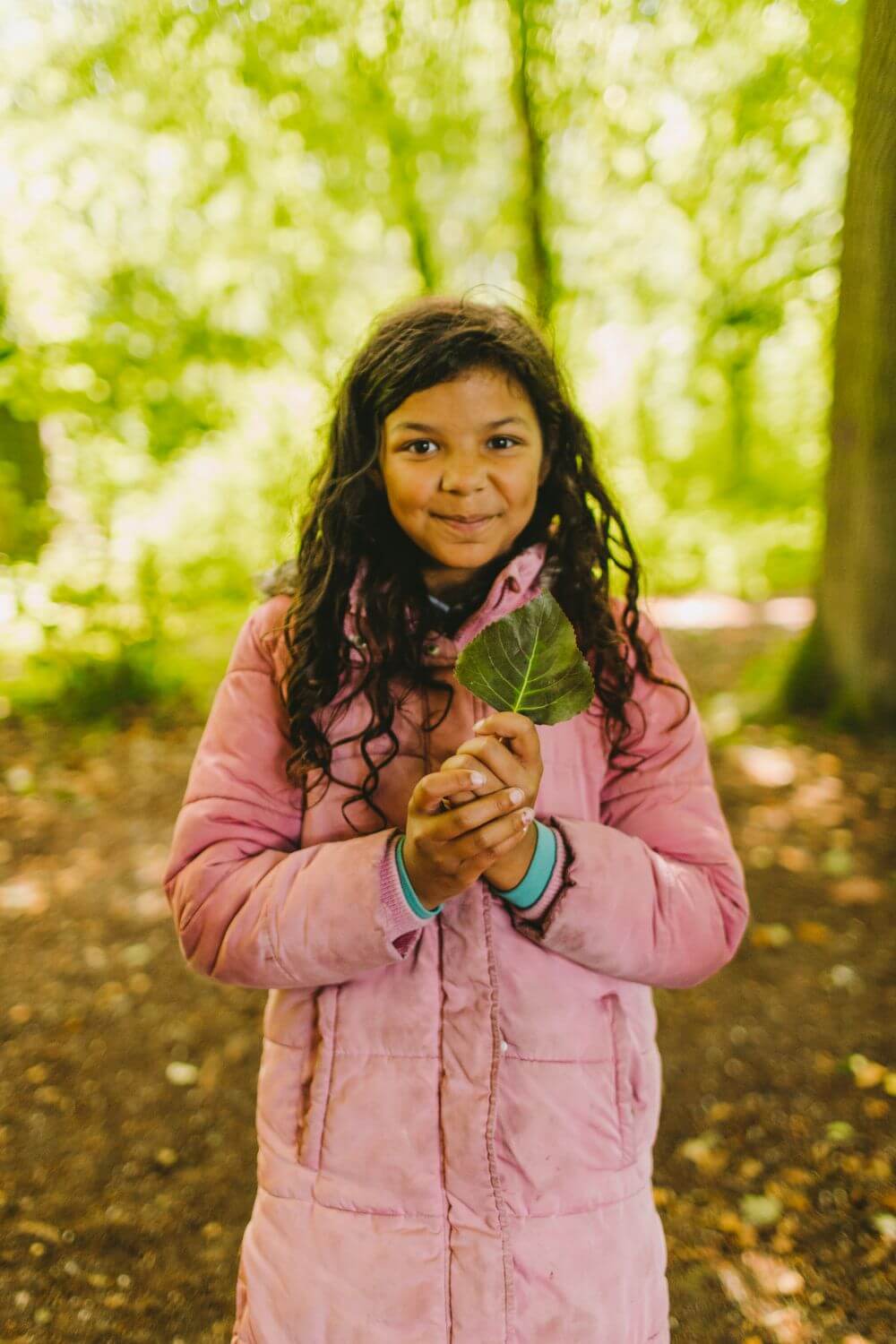
Child on our free Nature Connection programme
Our Ruby Devon cows free to roam our rewilded site

THE SPRING EQUINOX: A MOMENT THAT MEANS SOMETHING

World Rewilding Day falls on the Spring equinox every year and that’s a deliberate choice. The equinox is the moment when day and night are balanced, and the momentum tips toward light. It’s a day that the natural world has always recognised, long before humans gave it a name.

This year’s theme is #ChooseOurFuture the idea that a wilder, more abundant future isn’t something we wait for. It’s something we build, through choices made today. Choices about how we manage land, what we support and what we value.

At Belmont, we made a deliberate choice at Watercress Farm to let the land just be. Nature accepted that invitation and responded faster than anyone expected.

That, ultimately, is the most important thing to understand about rewilding. It isn’t an act of pessimism or retreat. It’s one of the most optimistic things you can do, really believing in nature’s ability to recover, given half a chance.

This World Rewilding Day, we invite you to visit Watercress Farm walk the public footpaths or join one of our guided tours, watch the ponies graze, listen for the birds. And if you’d like to get more involved, whether as a volunteer, a school group, or a business partner, join our email newsletter and be the first to hear.

Photos: Martin Hartley