Nature Notes: November
Welcome to the November edition of Nature Notes, our monthly newsletter celebrating the people, places, and projects of Belmont.
November has provided a contrasting mosaic of weather. From rain falling along with leaves, clear blue skies suddenly filled with dense shrouds of clouds, we’ve had dark days and golden rays.
This month has also had a ‘supermoon’, when the moon is at it’s closest point to the earth. November’s full moon is also called the ‘Beaver Moon’, reflecting how beavers begin dam building and storing food for winter. This name comes from the Native American tradition of each full moon being given a name associated with nature’s movements. For instance, March is described as the ‘Worm Moon’ when worms make their way to the surface, trails visible in the thawing earth. Or May’s fitting ‘Flower Moon’.
Look out for the next supermoon on the 4th of December, called the ‘Cold Moon’. But until then, let’s catch up on what happened this November at Belmont!
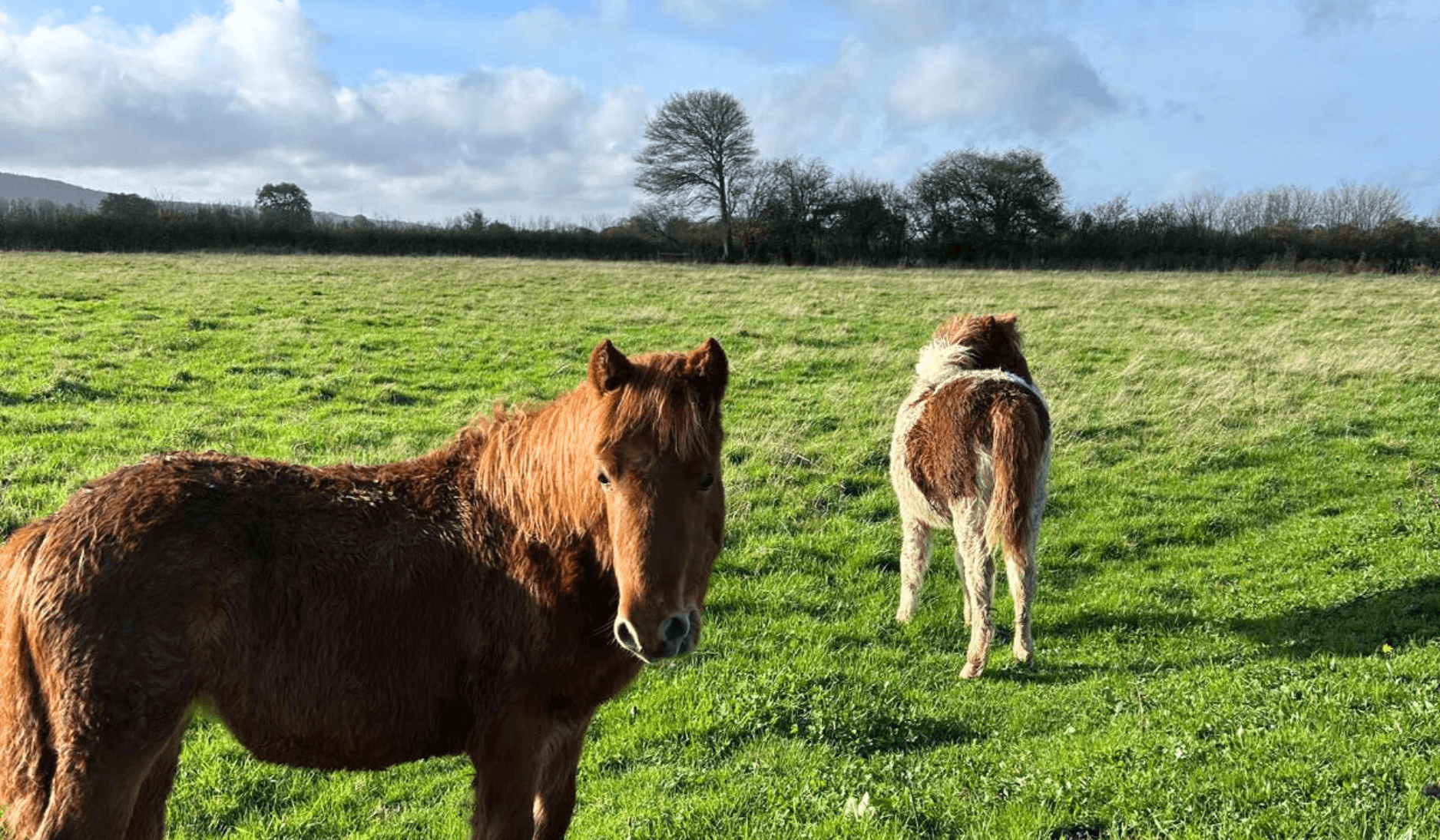
Welcome back to our Dartmoor ponies
Returning back to Belmont are the Dartmoor ponies! Our seasonal rewilders, these ponies roam freely down at Watercress Farm. They can graze on a different level from the cows, cutting much closer to the ground in a similar manner to sheep. Seeds get caught in their long tails and manes, which they then sow across the site. These ponies are used to harsh conditions as they live on Dartmoor for half of the year, self-sufficient in finding food and shelter. Why do we only see them for half a year? The grass at Watercress is too rich for them during spring and summer, so as a year-round diet it wouldn’t be suitable for the ponies.
Waterlogged Wetlands
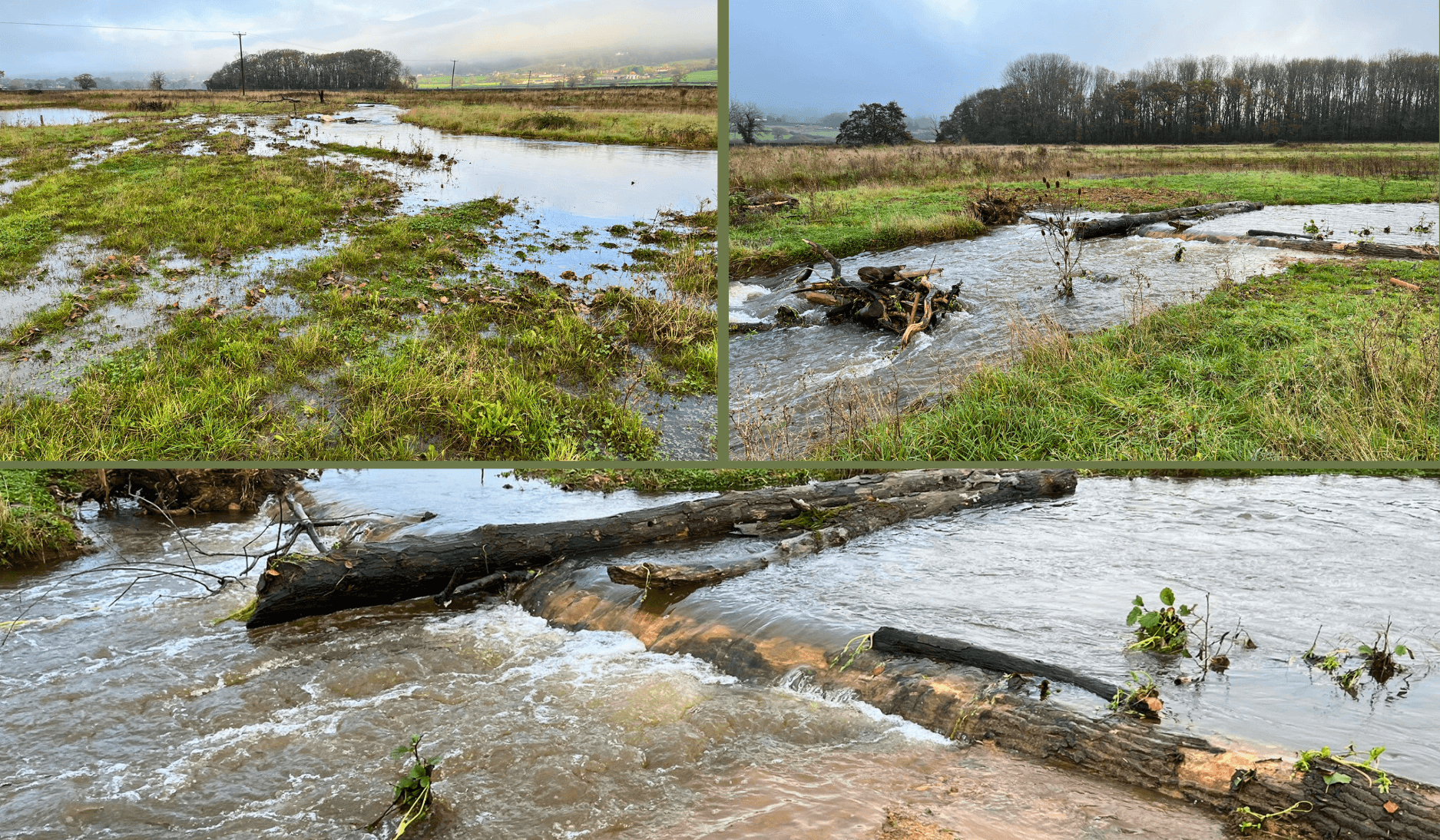
In the middle of November, Storm Claudia swept in with a tantrum of rain and winds. For many this storm was dangerous, it’s watery fingers reaching across the South West creating floods. So how can we cope with future floods? Creating wetlands: areas where the excess of water is embraced and held back rather than spreading unimpeded across the land. Over the last 300 years, over 75% of the UK’s inland wetlands have been destroyed (WWT). Building houses, agricultural purposes, urbanisation are a few of the reasons behind this but wetlands are vital for flood resilience.
The wetlands at Watercress Farm were certainly impacted by the heavy rainfall. The Land Yeo reached 0.86m on the 15th, roughly 0.30m higher than normal. But the climb to this peak wasn’t a steep incline nor did the level immediately drop afterwards, instead gradually falling. This shows how the wetlands soaked up water then released it slowly reducing the risk of flooding elsewhere. What also helped this was the woody debris placed in the river, acting as natural dams, and decreasing the speed of the water. This interaction between the river and its floodplain is also great for the biodiversity which thrives there.

Ornithological Observations from the Bird Walk
Now is the season of our winter visitors and we hoped to find some on the second bird walk lead by volunteer Alastair Fraser. Before we even set off a large flock of Goldfinch flew into the bushes next to the Watercress Barns, followed by Redwings heading for Poplar Wood. The wood was a little quiet when we got there but it was a joy to see a couple of Treecreepers – who doesn’t love a Treecreeper, and a Coal Tit. Little Egret and Grey Heron were making good use of the wetland with a group of Meadow Pipit flying up from the grass and posing on the wires. On the railway siding we came across a mixed flock of Greenfinch, Goldfinch and Bullfinch and, to lift the spirits, a close view of a Red Kite. In total we saw 29 species of bird in just a couple of hours and the rain held off until we were back at the cars. Check out our website for upcoming bird walks.
Written by Alastair Fraser