

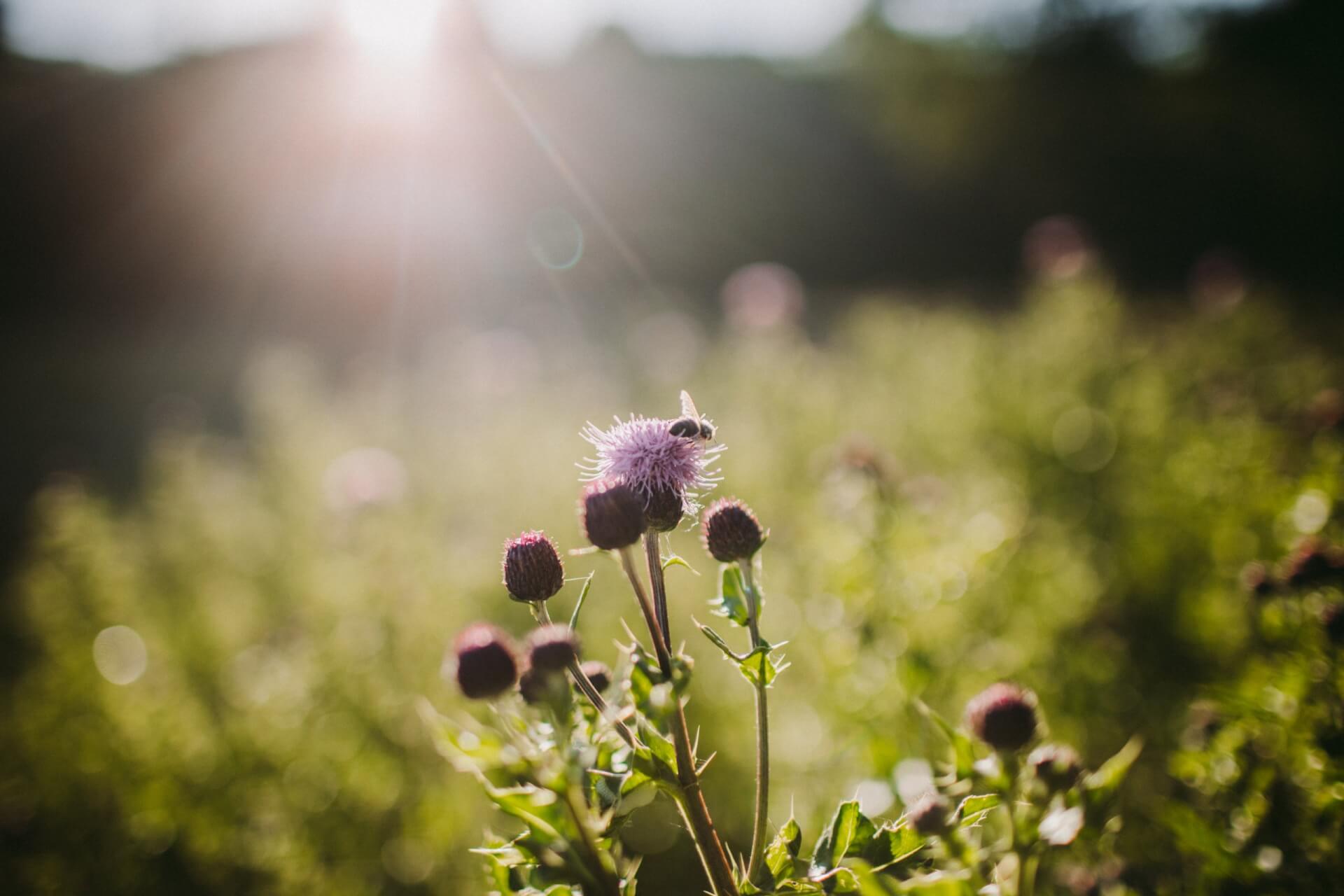
Crisis brings opportunity
We have two homes: Our bodies, and the earth we live on.
You may be surprised – and even shocked – to hear that Britain is one of the most nature-depleted countries in the world, with a loss of almost half its wildlife, both in number and species, in the last 50 years.
The world is experiencing a massive decrease in biodiversity and a corresponding disconnection with nature. Our second home, the wonderful planet we live on, is suffering from increasingly poor health, and – unsurprisingly – we are experiencing a corresponding decline in our first home; our personal health.
Why does this disconnection from nature matter?
Biodiversity is one of the most precious and important things we have. We tend to think of nature as something that’s just nice to look at, to enjoy spending time in, but it’s actually so much more. Nature is not something separate to our lives, we are part of nature, from the oxygen produced by our oceans and plants that we breathe in, to the water that falls from the skies and constitutes almost three quarters of our bodies.
Without biodiversity our entire support system for humans, as well as animal life, would collapse. We rely on nature through our forests, fields, rivers, oceans and soils to provide us with food and clean water, the air we breathe and the water we use to irrigate our crops. A vast number of our medicines come from plants, and nature also provides essential services, preventing flooding and combatting other extreme weather effects. We rely on nature for numerous other goods and services that we depend on for our health, happiness and prosperity. So much is provided by the natural ecosystems around us; they’re truly vital to life on earth.
Different plants and animals are interconnected in vital ways that we don’t even fully understand. We have only recently learned that trees, for example, are interconnected and talk to each other, warning other trees of attacks from insects and nurturing surrounding trees that have been damaged, sending vital nutrients through their root systems. Trees and vegetation are all connected by an enormous network of underground microscopic fungi called ‘mycelium’, and sometimes referred to as the wood-wide-web. Our scientific understanding of nature is in its infancy, and we are now beginning to understand the need to cherish and restore it.
In addition to providing goods and services called ‘Natural Capital’, nature is also essential for our mental health and wellbeing. Scientists and doctors are working together to try to understand how and why spending time in nature can be so beneficial to our physical and mental health.
The Japanese have long practiced ‘shinrin-yoku’, which translates to ‘forest bathing’. This simple method of being calm and quiet amongst the trees, observing the nature around you and breathing deeply can help people de-stress and boost health and wellbeing in a natural way.
Scientists have recently also found that trees release chemicals called ‘phytoncides’, which have a protective antimicrobial effect on human bodies, thereby boosting the immune system. A walk in the woods really is extremely good for us.
Whilst our news and media are filled with depressing stories about global catastrophes, wars, crime and corruption, look a little deeper and you will find stories of joy, wonder and community engagement with nature. People are now working together to restore ecosystems, to be more sustainable in how they live and to make better, more informed choices about the food they eat.
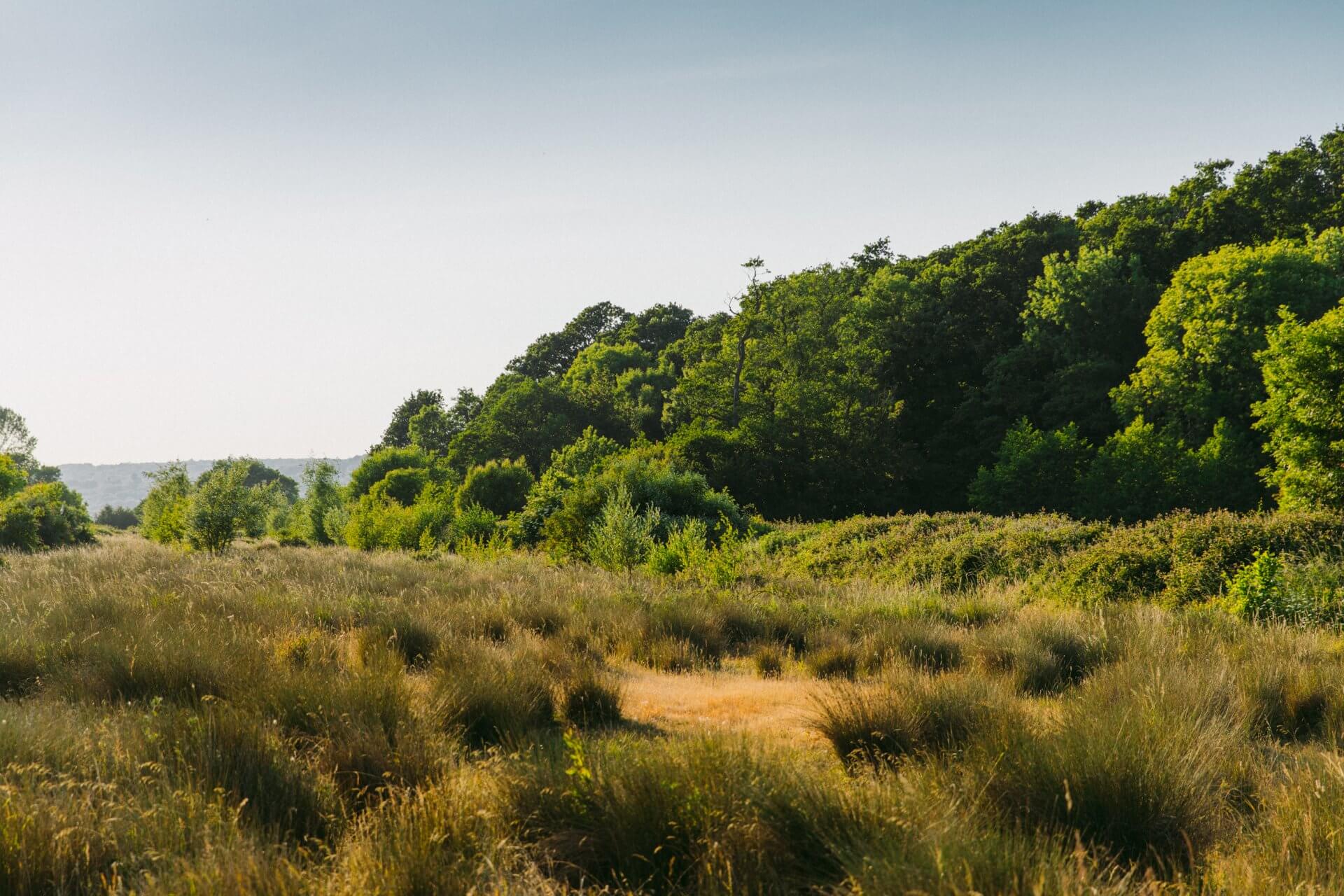
Today there is a real appetite to reverse many of the damaging practices that have been sold to us by multinational corporations and city economists. Rewilding is an essential practice of returning control to nature in areas depleted by decades of intensive, often chemical drenched, farming. This rebuilds the ecosystems that would have been present before human disturbance.
Rewilding projects have – in a very short term – seen the return of vast numbers of species to lands once lacking in natural abundance. Our hedgerows for example – nature’s superhighways – define our country, with the oldest being over 900 years old. We are now reversing the process of ripping out hedgerows to create bigger, more productive fields and rather are restoring and replanting these most crucial habits. Native species are being reintroduced, such as the Eurasian beaver, and its impacts have been proven to be far more effective in flood control and improvements in water quality than our use of concrete and hard engineering.
Nature is not something that we can afford to neglect and ignore. The message is clear; our continued existence depends upon a rich and flourishing biodiversity. We need our skies to be full of insects, pollinating our flowers and food crops, and in turn providing food for birds and mammals. We need our rivers to run clear and to be filled with aquatic life, our oceans to regulate global temperatures and to produce oxygen, and our wetlands and peat bogs to continue locking in carbon. In nature we have – and always have had – the solutions to so many of the global problems facing the planet.
Crisis brings opportunity, and there has never been a more powerful time for nature restoration. Never a better time to be inspired, to take positive action and to reconnect with ourselves and nature. We need to notice, to care and to work together to inspire and bring about change.
This is what drives us at Belmont. This is our mission.
Head of Nature Connection, Martin Williams