Bristol Life Awards 2026: Celebrating Education Through Nature Connection

Last week, Belmont Estate was awarded the Education category at the Bristol Life Awards 2026.

This recognition belongs to every child who discovered what lives beneath stones at Watercress Farm, to every teacher who brought their class back again and again, to every volunteer who gave their time because they believed nature connection matters.

It’s the result of the hard work from Martin Williams, our Head of Nature Connection, and to Julie Thorpe and Alice Shrimpton, who lead every session with passion and care. Most of all, it belongs to Tamsin Rossiter, the visionary behind the nature connection programme and her passion and dedication to ensures that everyone has access to nature.

A vision born from childhood

Our nature connection programme was born from a simple idea based on Tamsin’s own childhood, that children deserve the freedom to just be in nature.

Tamsin spent much of her childhood outdoors, building dens, walking, playing freely in wild spaces. She believes that connection with the natural world shaped her, and she believes that other children deserve the same opportunity.

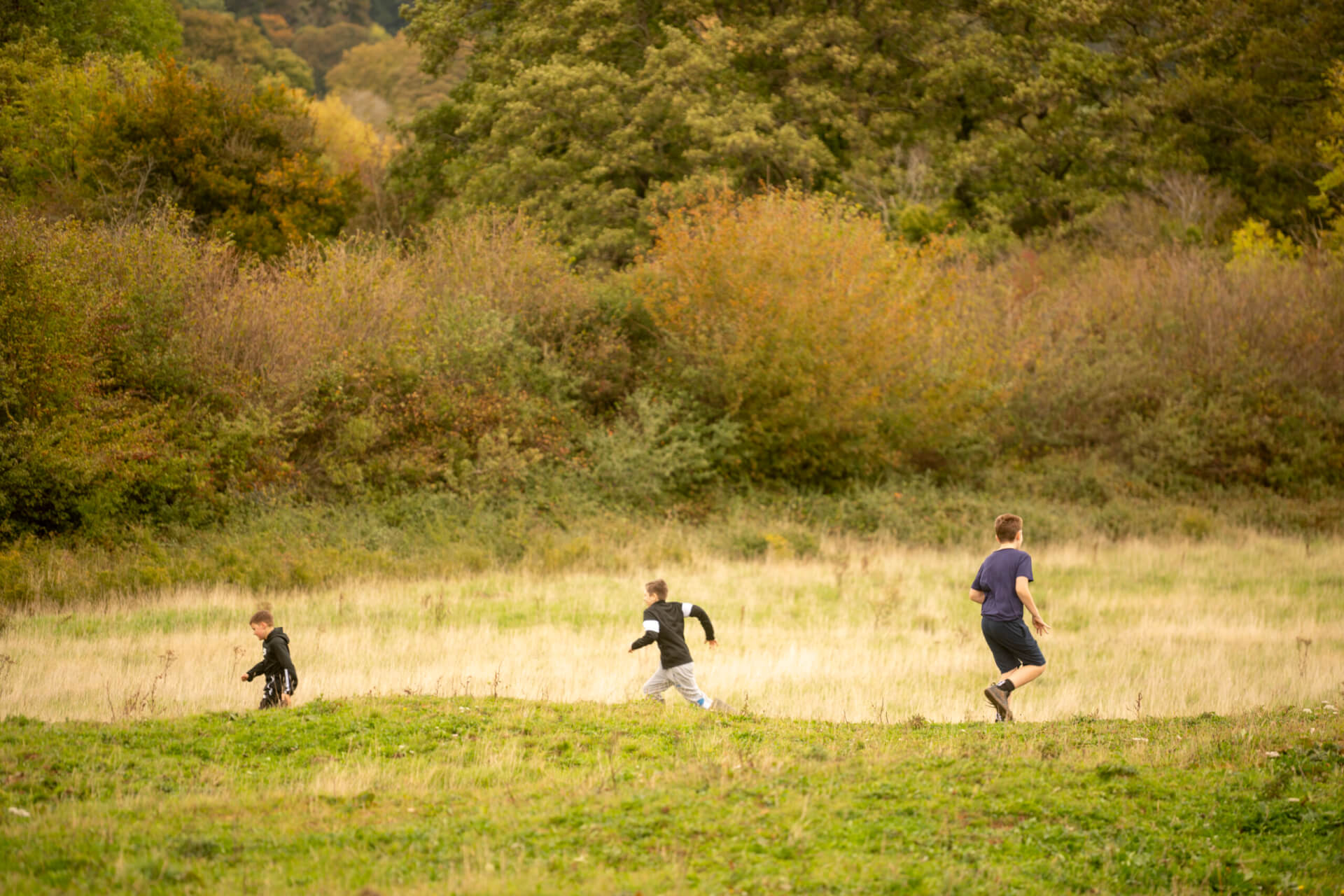
The result is a programme that takes a radical “hands off” approach. No structured sessions, just the chance for children to play, explore, discover, and connect with nature at their own pace.
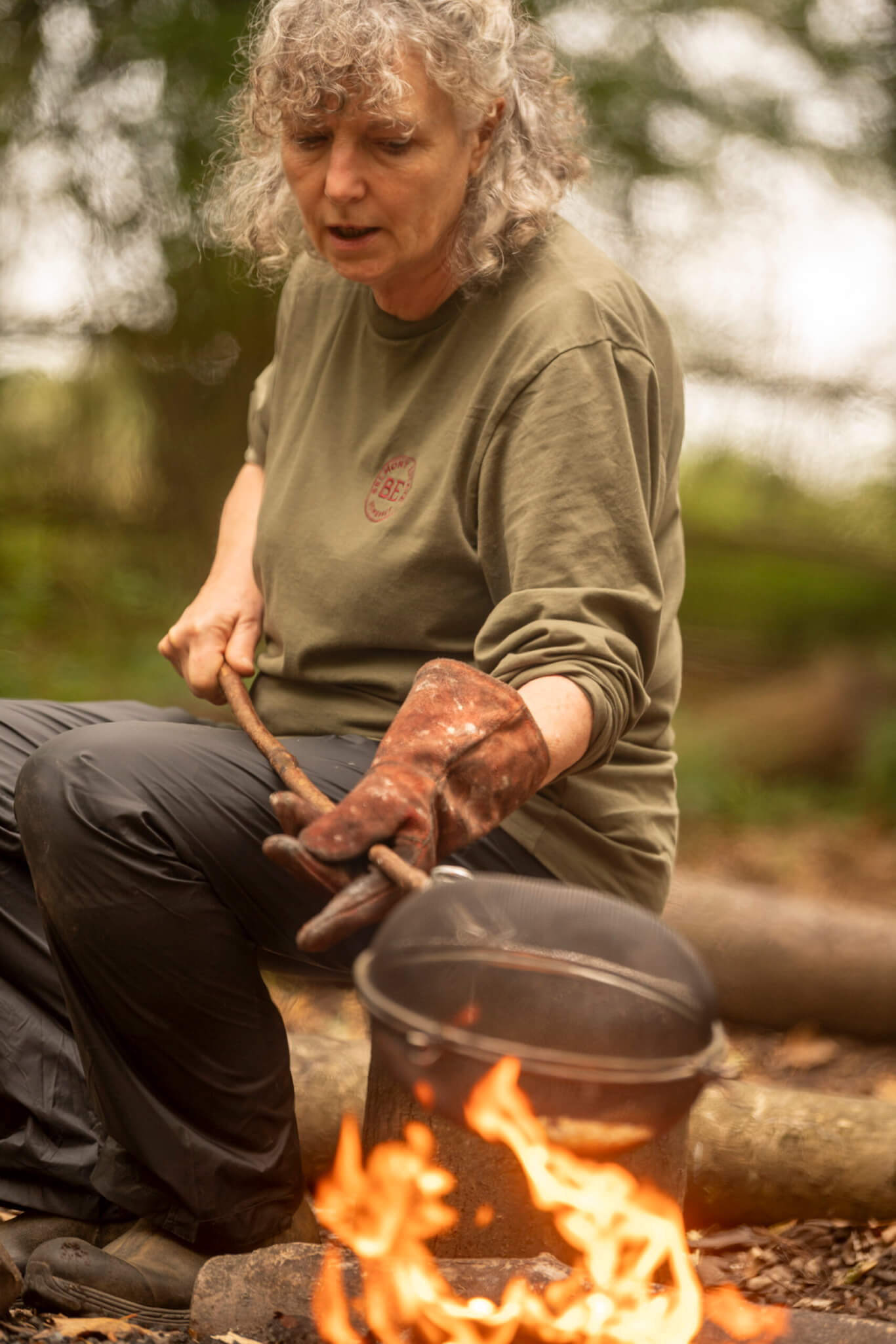
Julie cooking popcorn on the fire

what nature connection looks like

Set within our rewilding project at Watercress Farm, the nature connection programme offers three distinct experiences:

BE Wild – Nature connection for schools, fostering curiosity and belonging through wild walking safaris, meeting free-range animals, and facilitated free play.

BE Inspired – An immersive termly programme designed for children who will particularly benefit from deeper nature connection, building confidence, self-esteem, and wellbeing.

BE Closer – Intimate experiences for nurture groups and vulnerable young people, offering up to five visits across the year for those with special educational needs or facing particular challenges.

Every session is shaped by the season, the weather, and the children themselves but certain moments recur:

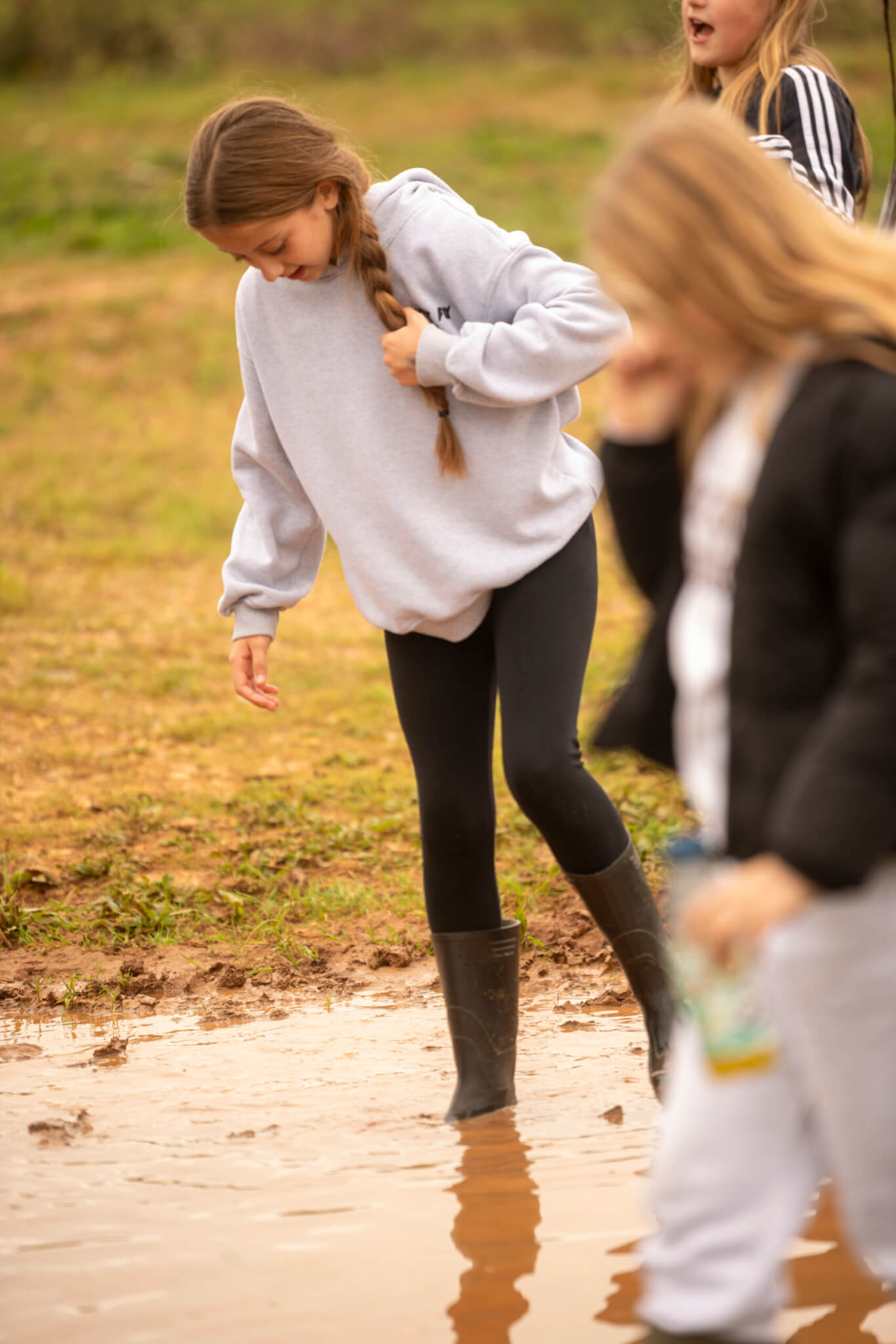
The anticipation as children see the stream for the first time, and their desire to just get in and play regardless of the time of year! The rush to the muddy banks when Julie prompts them, “what are you waiting for?” The discovery of tiny frogs, thumbnail-sized and perfect, the child who didn’t want to get wet, now crouched in the water with a grin across her face and not a care in the world.

As one teacher from the Hospital School Service wrote:

“A highlight for me was watching the smiles on their faces as the water went into their wellies and watching a child hold his hand out to help another student climb in the stream.”

That moment captures what this work is really about.

the power of returning to nature

One of the most important aspects of our programme is the opportunity for children to return.

Schools can visit up to three times across the academic year, and our BE Closer groups come back as many as five times. This isn’t about a one-off trip, it’s about building a genuine relationship with the natural world over time because we believe that the closer people are to nature, the more they want to protect it.

A teacher from Ashton Park Secondary, whose students visit through our BE Closer programme, described the transformation:

“Throughout the year the students have grown in confidence and strengthened their connections with one another and the natural environment. They embraced all weather conditions and frequently connected current Science and Geography topics with their wildlife discoveries at the farm. This is particularly pertinent as some of the students have no access or opportunity to access nature and the wild in their everyday lives.”

Children return in different seasons, they watch the landscape change. They see where the frog spawn was laid in spring and discover the tiny frogs in summer. They notice which trees lose their leaves and which stay green. They begin to understand natural processes not as abstract concepts, but as living realities happening around them.

nature connection in a rewilded place

One of the most important things to understand about rewilding is that it isn’t only an ecological project it’s a human one too.rnrnHealthy, biodiverse landscapes store carbon more efficiently helping tackle climate change. They clean water and reduce flood risk saving money and protecting communities. They support pollinators that our food system depends on. Not only that, growing evidence shows that spending time in nature has profound benefits for mental and physical health.rnrnAt Belmont, over 15,000 people have visited Watercress Farm as part of the free nature connection programme including thousands of school children who may be encountering wild green space for the first time. This really matters, because the closer people are to nature, the more they want to protect it.rnrnRewilding also creates new economic opportunities. Rewilding Britain reported an average increase in jobs of 124% across 65 rewilding sites in England and Wales. Nature-based tourism, carbon markets, biodiversity net gain credits, there’s a growing and legitimate business case for land that works with nature rather than against it and this is what Belmont Estate is really proving.

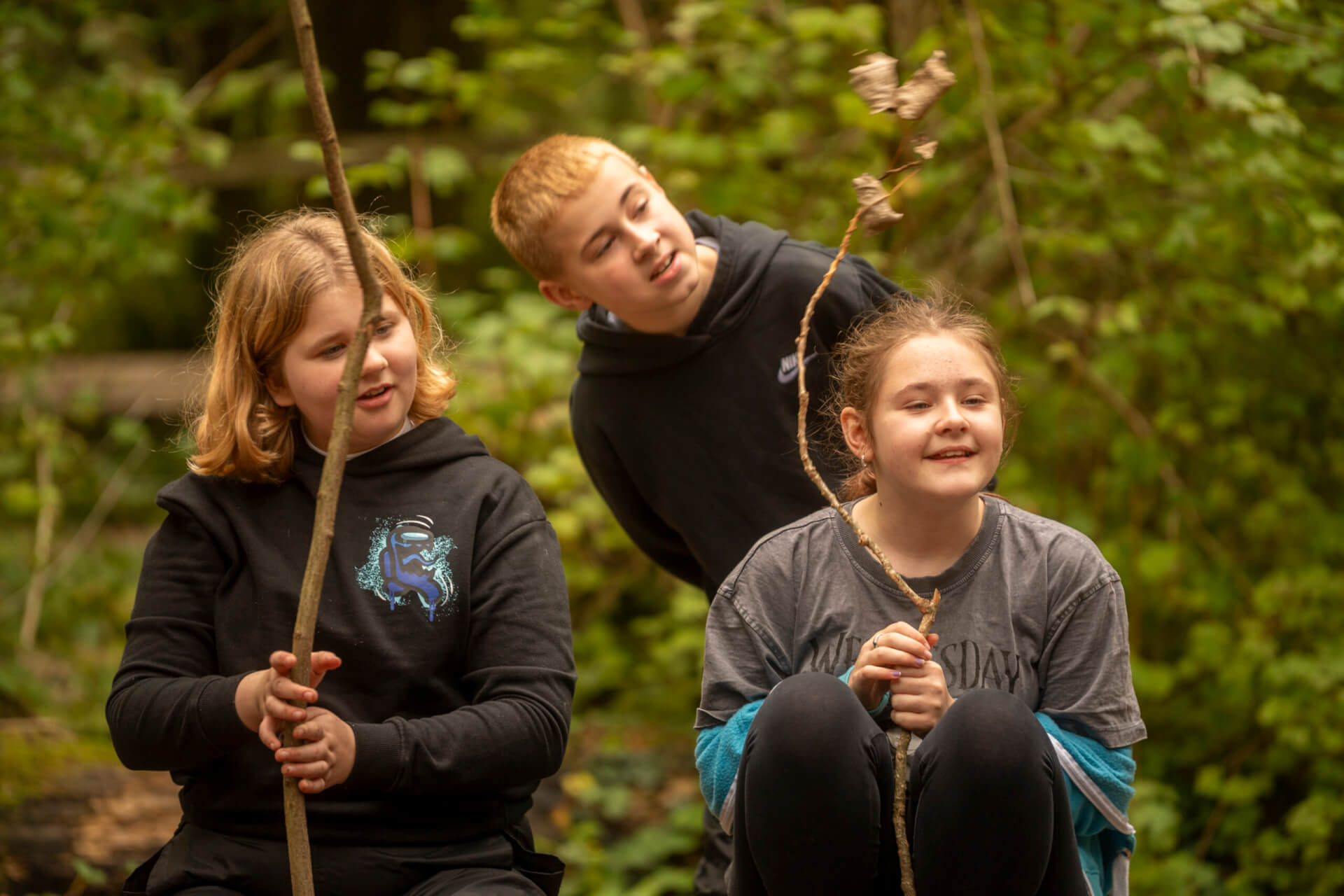
Child on our Nature Connection programme
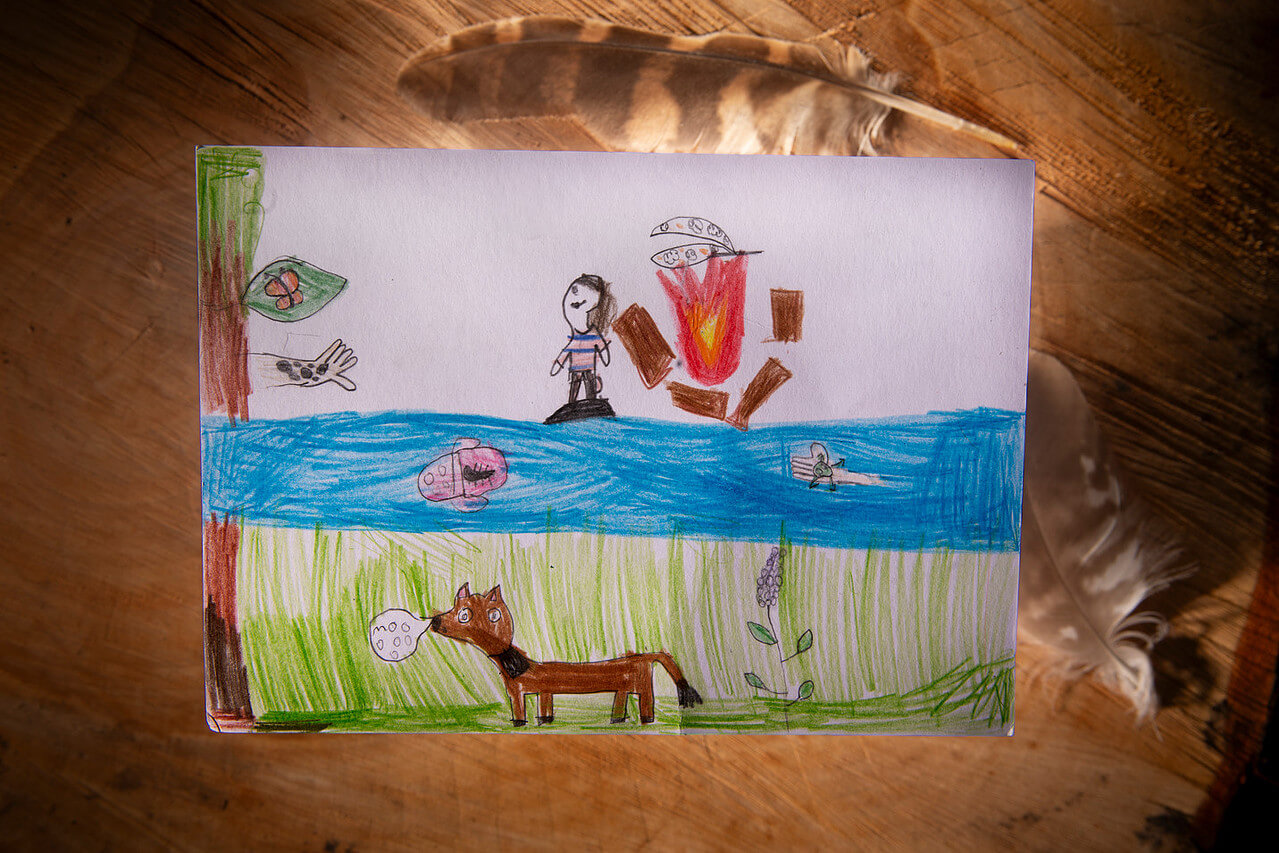
A thank you card from one of the school children

making nature accessible

From the beginning, we’ve been clear that the programme is free.

Access to wild spaces shouldn’t depend on what you can afford. Schools, charities, hospitals, young carers groups, and community organisations are all welcomed to Watercress Farm throughout the year at no cost.

The programme is supported by our corporate partners, ensuring that it remains accessible to everyone, particularly those without the opportunity to access nature in their everyday lives.

what this award means to us

Winning the Education category at the Bristol Life Awards is wonderful validation of our nature connection work.

It confirms that nature connection matters, that offering “hands off” outdoor exploration in nature is incredibly valuable to everyone that visits us, but also that removing financial barriers to wild spaces is the right thing to do.

But the real reward has always been in the work itself.

It’s in the letters we receive from children, covered in drawings of the day they spent at Watercress Farm. It’s in the teacher who tells us their class “won’t stop talking about what they discovered here.” It’s in watching quieter children, anxious children, children who struggle in conventional settings, come alive in nature.

Between 2022 and 2025 we hosted 738 nature connection sessions, reaching 18,363 individuals. The ripple effect of that impact is immeasurable.

Our world has never been more disconnected, disconnected from nature and disconnected from one another. At Belmont, we believe that completely changes when people, especially children, are simply given the chance to be in nature.

We’re grateful to the Bristol Life Awards judges for this recognition, and we’re hugely grateful to our team and our partners. We’re also so grateful to every child and adult who has walked through our gates and left a little more connected to the world around them.

The real work continues.

 If you know a class or group who would be interested in experiencing Nature Connection, please get in touch at [email protected]

Photos: Martin Hartley